

Rishi Sunak unveiled a three-part plan by the British government back on January 28, 2024 to address the surge in youth vaping and ban disposable vapes. This initiative, which impacted over a million adult vapers who use disposables for smoking cessation, outlined the following measures:
- A ban on disposable vapes will be implemented through legislation
- Politicians are seeking authority to regulate flavors and impose packaging limits on e-liquids
- Changes to how vapes are advertised in stores may occur with the acquisition of additional regulatory powers
- Furthermore, there is a proposal to prohibit the sale of tobacco products to individuals born after January 1, 2009
To become law, this measure, particularly the ban on disposable vape pens, must undergo debate and approval by both the House of Commons and the House of Lords. Subsequently, King Charles, through the Royal Assent, must sign the measure into law.
Only when all these conditions are met does a measure officially become law, with the bill acting as the legislative framework.
The Ban on Disposable Vapes
The vaping industry has been through a series of challenges and triumphs as it strives to establish a positive image. A noteworthy positive aspect is the increasing number of adults opting for vaping as a safer alternative to smoking.
Simultaneously, there have been concerns regarding the perceived popularity of vaping among teenagers. This issue sparked a heated discussion on whether disposable vapes should be banned.
This debate considered various factors, including potential harm to those attempting to quit smoking, environmental implications of disposable vapes, and uncertainties about the effectiveness of a ban in deterring young people from trying vaping.
How the Ban Came to Be
Back on July 14th last year, the Local Government Association (LGA) announced plans to enforce a ban on single-use vapes, citing concerns about their appeal to minors, contribution to litter, fire hazards, and environmental damage.
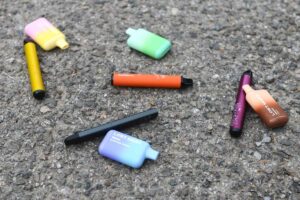
This ban is scheduled to take effect by 2024. The widespread disposal of disposable vapes, with 1.3 million discarded weekly, has made them a prominent litter issue on the streets.
Despite the UK Government and a majority of public health professionals viewing vaping as a positive tool for smoking cessation, recent statistics indicate a surge in vaping among teenagers and young adults.
NHS data also reveals an increase in children’s hospital admissions linked to vaping.
This rise in littering, underage vaping, and hospital admissions underscores the call for a ban on disposable vapes by politicians. While no current vape ban exists in the UK, the government is actively addressing environmental concerns and youth vaping.
The weekly disposal of over a million disposable vapes in Britain poses an environmental threat. Advocating for the use of refillable vapes is seen as a solution to mitigate harm, promote sustainability, and address pressing ecological concerns.
While the concerns behind a potential disposable vape ban are valid, controlling children’s access remains a major challenge. Unregulated vapes like the RandM Tornado contribute to negative perceptions, being illegal in the UK yet available in corner stores, even among minors.
A blanket ban may lead to a surge in black market demand. Despite the challenges, disposable vapes have contributed to a decrease in smoking rates, and implementing a ban without sufficient awareness of regulated alternatives could potentially reverse this progress, burdening the NHS.
Balancing regulation, education, and enforcement is essential in addressing these challenges.


+ There are no comments
Add yours